Experts Say: Social Media Causing Drug Overdose Deaths in New York City
By Michael Ye
- It was reported in a New York Times article that young people are acquiring illicit prescription drugs such as Fentanyl through contacting dealers on social media platforms.
- According to a New York Times article, most of the Fentanyl sold in the United States had been shipped from Mexico by drug cartels via smuggling through the Southern border through vehicles.
- NYC Health on their website, promotes training on how to be aware of Fentanyl overdose to using Naloxone to combat Fentanyl.
- A New York Times article reports that a one-year-old child in a Bronx Day Care Center had died from a Fentanyl overdose.
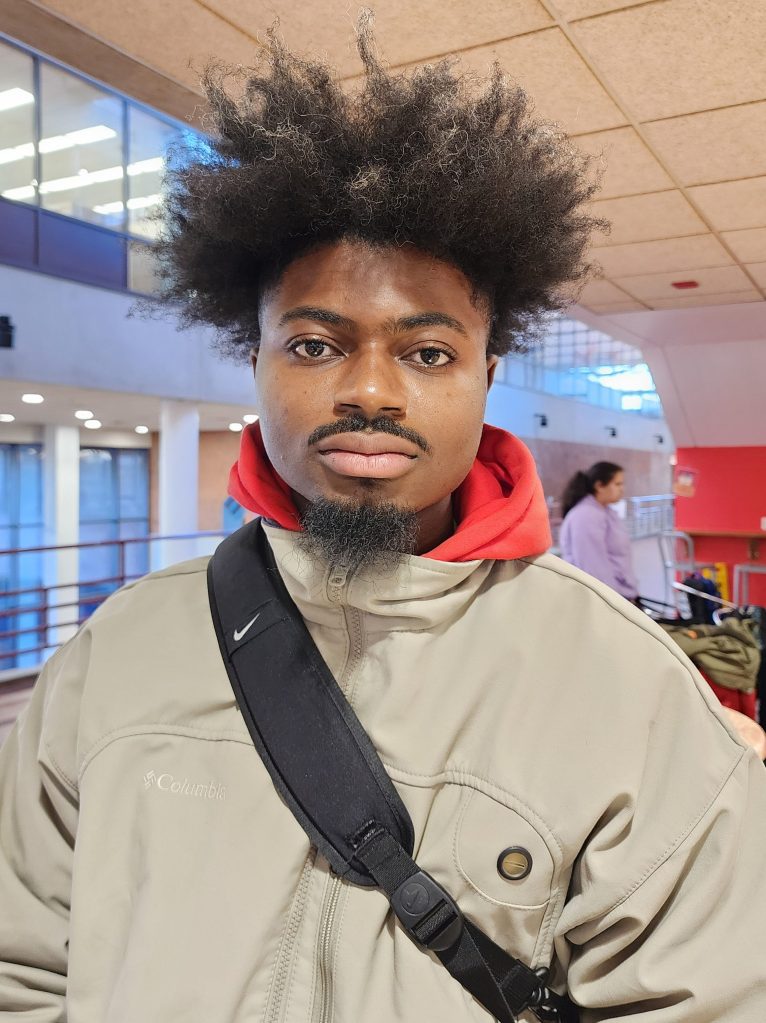
More and more people are concerned about the increase in deaths from Fentanyl drug overdose and other drug abuse in New York City according to a New York Times article. During this opioid epidemic, many of the drugs were obtained illegally, and social media was a method that young people has been acquiring opioids such as Xanax and Percocet, spiked with Fentanyl.
What is Fentanyl?
According to NYC Health, Fentanyl is stated to be 30-50 times stronger than heroin. It is also short-acting, and it cannot be seen, tasted, or smelled when mixed with other drugs. While pharmaceutic Fentanyl is prescribed for severe pain and palliative care, non-pharmaceutical Fentanyl has been produced and illicitly distributed have caused massive deaths of drug overdose.
Dr. Deb Chakravarti, a York College Chemistry Professor and Director of York College FDA Partnership, said that an opiate is derived from the opium poppy plant, and opioids are substances that act on the opioid receptors. “Fentanyl is a synthetic opioid that work as a potent agonist to the Mu receptor that releases dopamine blocking signals of pain resulting to the sensation of euphoria.”
In a New York Times article, Fentanyl comes in many forms and strengths, such as white powders or pills, and it can be sold by itself or mixed with other drugs. Carfentanil, which is reported to be a hundred times stronger than fentanyl is associated with drug overdose. Drug overdose has been reported to increase over decades, and in 2022, over 107,000 died from drug overdose in the U.S. According to NYC Health, over 1,500 New Yorkers died from Fentanyl overdose in 2020.

Social Media Influence
Abimael Deliska, 21, a York College student and English Teacher Education major, said, “I know Snapchat and Instagram are some of the most popular places because I recently graduated from high school. From my experience, they would post up, get a text message, and sell it that way.”
As reported in a New York Times article, Snap and Meta, social media parent companies to Instagram and Facebook, are interrupting and taking actions to deter young people from attaining drugs from dealers online on Facebook and Snapchat.
It also reported that dealers would be using encrypted messaging apps such as Wickr and WhatsApp for drug exchanges. And when dealers are removed from a platform, it is reported that they leapfrog to another platform. Deceivingly, dealers would look for customers in comments amongst seekers of pain relief. Most drug seekers are reported to not type in the drug but would hashtag the name of the celebrity associated with the drug.
Effects on Mental Health
Toufiq Hasan, 20, a Computer Science major talked about the ease of acquiring opioids. “I know for a fact that it’s really easy to get them off of doctors.” He described that he received Percocet when he was recovering from surgery. “When I got surgery, they prescribed me Percocet. The pain was excruciating, and the pain went down immediately. But then I was just really cranky, and constipation was there.”
As reported in a New York Times article, the Pandemic affected the mental health of young adults and teenagers. Anxiety, depression, and focus types became normalized. It was suspected that drug traffickers know that friends share drugs with each other. A young 22-year-old bought what was thought of as Percocet for his back pain on Snapchat, and he was discovered dead after thirty minutes of ingestion from fentanyl poisoning.
It was also reported that the main reason that young people turn to illicit drugs is to cope with stress. Many need to know where the drugs are coming from.
Where is the fentanyl coming from?
In another New York Times article, it was reported that most of the fentanyl is being smuggled through Mexico. Customs officials in Laredo, Texas had found more than 5,000 pounds of materials used to make fentanyl. And it’s also documented that fentanyl is shipped directly from China.
Hasan said, “I feel the major supplier for fentanyl is China.” He had read reports that fentanyl is mass-produced in China and synthetic opioids are being shipped over from China to America directly.
In a science research article by the BBR Foundation, an expert said that many people get exposed to Fentanyl unknowingly and that it is highly addictive. It was also mentioned that Fentanyl gets into the brain rapidly. Respiratory depression is an effect of opioid use, and in the case of fentanyl, it appears extremely fast, and the window to saving someone is a lot shorter than someone from a heroine overdose, so we have to intervene right away.
Resolving the Opioid Crisis
A New York Times article mentioned a non-profit organization called OnPoint NYC that allows people to go to a place where they can administer or consume their drugs while being supervised. OnPoint NYC offers medical care, food, acupuncture, and case managers who can arrange for detox when requested. OnPoint NYC believes that overdosing is preventable, and they have staff that is knowledgeable in intervening quickly and have countermeasures in place in the case of an overdose.
Dr. Chakravarti said, “These centers may not prevent the problem, but they definitely save lives. I think the long-term solutions should be focused on reducing the supply of illicit substances, educating people, and increasing access to recovery support services.”
An expert in the BBR Foundation said that NIDA needs to discover interventions to reverse those overdoses with Fentanyl. Amongst research is on Narcan, they’ve developed ways that Narcan can be administered quicker and more long-lasting. Other strategies are needed to stimulate respiration and medications that help people with symptoms of withdrawal and help with overdosing.
It was also mentioned that NIDA are developing therapeutics for addiction to cocaine, methamphetamine, and prescription drugs which led people to have a higher risk of overdosing due to cocaine, methamphetamine, and illicitly manufactured prescription medications being contaminated with fentanyl.
Dr. Chakravarti said, “Educating people that addiction is preventable and treatable is a must. It should be considered that it is a substance use disorder and not a substance abuse and it is a medical and health issue. Focus on stopping substance misuse through prevention and early intervention strategies.”
 The Ye Journal
Leave a comment